
In the ever-evolving financial landscape, flexibility is a key component of successful portfolio management. One strategy that stands out for its adaptability is cfd trading. CFDs allow traders to speculate on the price movement of a wide range of financial instruments without actually owning the underlying asset. This opens the door to diversified opportunities and more strategic control over one’s portfolio.
Access Multiple Markets in One Platform
One of the standout advantages of CFD trading is the ability to trade across various markets, including indices, commodities, forex, shares, and even cryptocurrencies. This wide selection gives traders the chance to build a portfolio that reflects multiple sectors and economic trends. Instead of being limited to one asset class or market, CFD trading offers a seamless way to explore global opportunities from a single, integrated platform.
Go Long or Short with Ease
Portfolio flexibility isn’t just about the range of assets—it’s also about how you interact with the market. CFDs enable both long and short positions, meaning you can potentially benefit from rising or falling markets. This two-way market access allows traders to hedge existing investments, manage risk more precisely, or capitalize on market corrections, all of which contribute to a more agile trading approach.
Use Leverage to Maximize Capital Efficiency
Another key element of CFD trading is leverage, which allows traders to gain larger market exposure with a smaller initial outlay. While leverage must be used with caution due to the increased risk, it offers the potential to maximize capital efficiency. For active traders and experienced investors, this can be a powerful tool for optimizing resource allocation within a broader investment strategy.
Rapid Execution and Real-Time Adjustments
CFD platforms typically provide fast execution and real-time account updates, enabling traders to adjust their positions quickly in response to market changes. This speed is vital for maintaining flexibility, especially in volatile markets. The ability to swiftly move in or out of positions ensures that traders remain in control and can adapt their portfolio to reflect current market conditions and insights.
Lower Barrier to Entry
CFD trading often requires less capital upfront compared to traditional investing, making it more accessible to a broader range of traders. This lower entry threshold allows investors to start building diversified portfolios without needing substantial funds, enhancing flexibility in both planning and execution.
Conclusion
CFD trading brings a unique blend of market diversity, strategic adaptability, and cost-efficiency to modern portfolio management. By enabling access to multiple markets, supporting long and short positions, and offering leverage options, CFDs empower traders to shape their portfolios with greater precision and responsiveness. For those seeking to enhance portfolio flexibility, CFDs present a compelling and dynamic solution.
Category Archives: mt4 trading platform
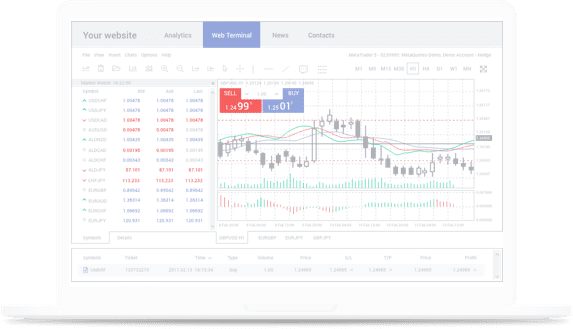
Volatile markets can feel overwhelming, especially for traders who rely on clear trends and patterns. Price swings, rapid movements, and sudden reversals demand nimble and informed strategies. However, with smart CFD (Contract for Difference) trading tactics, traders can turn market turbulence into opportunities while managing risk effectively. This blog explores how to approach volatile markets with calculated cfd trading techniques.
Understanding Volatility in CFD Trading
Volatility refers to the degree of variation in a financial instrument’s price over a specific period. Higher volatility means larger price fluctuations, which can represent significant risks or opportunities for CFD traders. Traders engaged in volatile markets must remain vigilant as prices tend to react quickly to news, economic data, and market sentiments.
For instance, global events like interest rate decisions, geopolitical tensions, or corporate earnings releases can fuel market volatility. CFDs, which allow you to speculate on rising or falling prices, put traders in a unique position to benefit from upward and downward price movements—when managed correctly.
Smart Tactics for CFD Trading in Volatile Markets
1. Leverage Risk Management Tools
Risk management is crucial in highly volatile markets. Tools like stop-loss orders can help protect your capital by automatically closing a trade when the market moves beyond a predefined level. Similarly, take-profit orders lock in gains when prices hit your desired target. Setting these parameters ensures discipline and reduces emotional decision-making.
2. Stay Updated on Market Events
Volatility often stems from external catalysts. Keeping track of market news, economic reports, and geopolitical developments is essential. Many CFD traders align positions with upcoming events, taking advantage of anticipated price swings. For example, announcements tied to interest rate changes or employment reports tend to move markets significantly.
3. Adopt Shorter Timeframes
Volatile markets require dynamic strategies. Adopting shorter timeframes and focusing on intraday trading reduces the risk of adverse overnight moves. Scalping and day trading are popular tactics for maximizing small, quick price changes. However, these approaches demand focus and quick decision-making.
4. Use Technical Analysis
Technical indicators such as Bollinger Bands, RSI (Relative Strength Index), and moving averages become indispensable during volatility. For example, Bollinger Bands can identify whether prices are overbought or oversold, guiding entry and exit points. Combining multiple indicators offers deeper insights and reduces the chance of false signals.
5. Maintain Emotional Discipline
Trading during periods of volatility can be stressful. Greed and fear can lead to impulsive decisions that deviate from your planned strategy. CFD traders should exercise emotional discipline by sticking to pre-determined risks and targets. Logging trades and analyzing performance post-trading sessions can also foster better self-management.
Turning Volatility into Opportunity
Trading CFDs in volatile markets requires a robust strategy rooted in risk management, market awareness, and technical analysis. While volatility magnifies risks, it also presents opportunities for traders well-prepared to act decisively. By adopting these smart tactics, CFD traders can make more informed choices and harness the potential of fluctuating markets effectively.
